
Perimeter Security Is Not Only About Products. Rather, it’s a Systems Design Problem
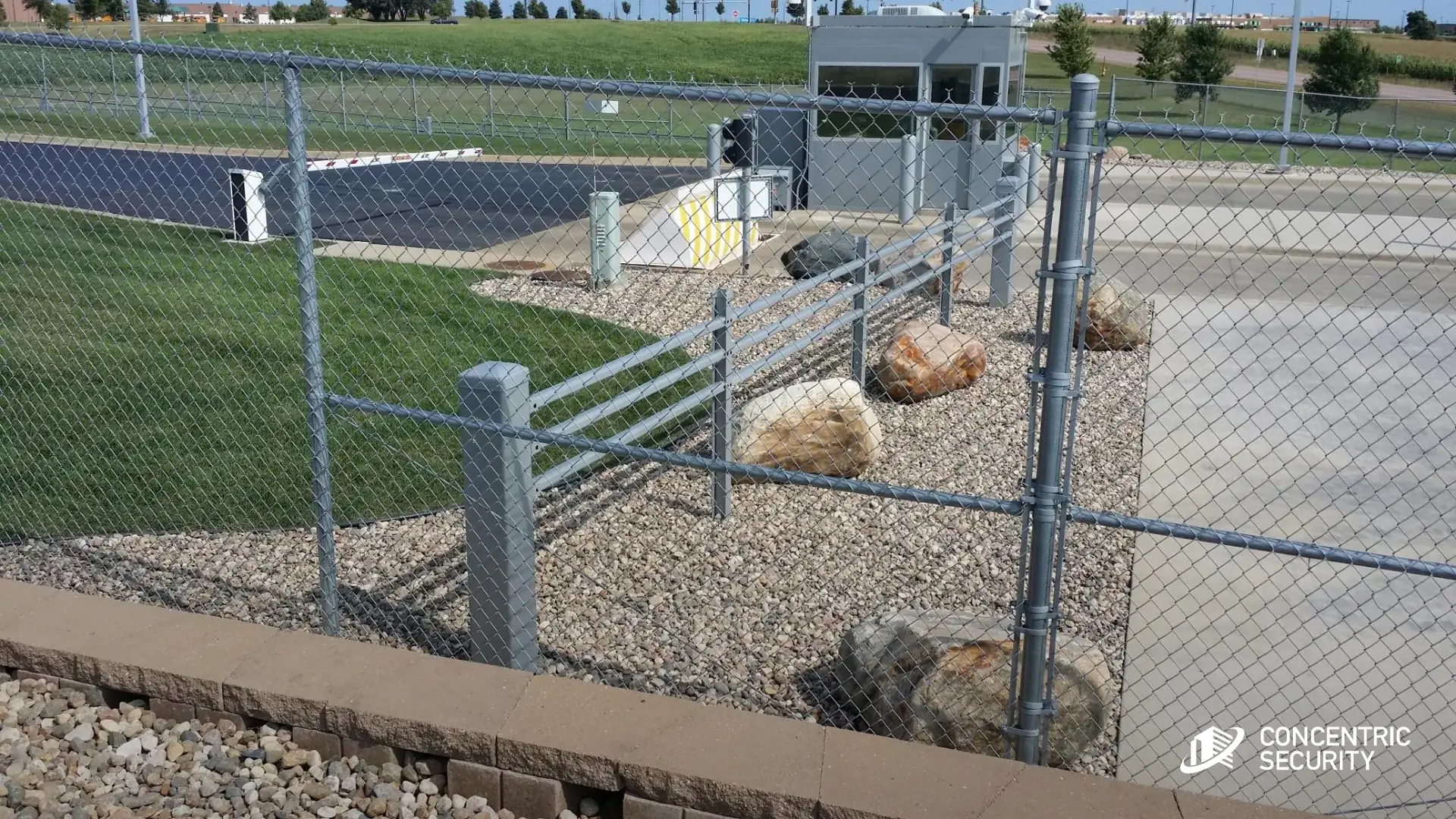
One of the more common mistakes we see in perimeter security is treating a project like an equipment shopping list. You buy some fence here, a barrier there, and expect a cohesive defense. Unfortunately, standalone products fail to deliver reliable perimeter security. Site-specific systems design, construction and integration does.
After three decades in the field, it’s clear: perimeter security isn’t about cool products (… and, yes, there are a lot of great products); it’s a systems problem. When components are chosen in isolation, they rarely integrate seamlessly to accomplish the mission of the customer (Detection-Delay-Response). This creates vulnerabilities, operational challenges, and a false sense of security.
What typically goes wrong? Gaps in coverage, incompatible technologies, and a lack of integrated perimeter security controls. The result is often a patchwork approach which is expensive to maintain and ineffective when truly pressure-tested.
The practical takeaway? Only a systems-based approach works. This means understanding our customers’ People, Procedures and Security Posture and then, only then, integrating the [right] equipment into a comprehensive site design from the outset. We know that we have to understand how each piece of equipment works and then, solve for a fully integrated system that meets our customers’ security challenges. This holistic view ensures reliability and predictability.
It’s worth asking whether your current system is built for how your site actually operates.
Written by: Mark Oakes